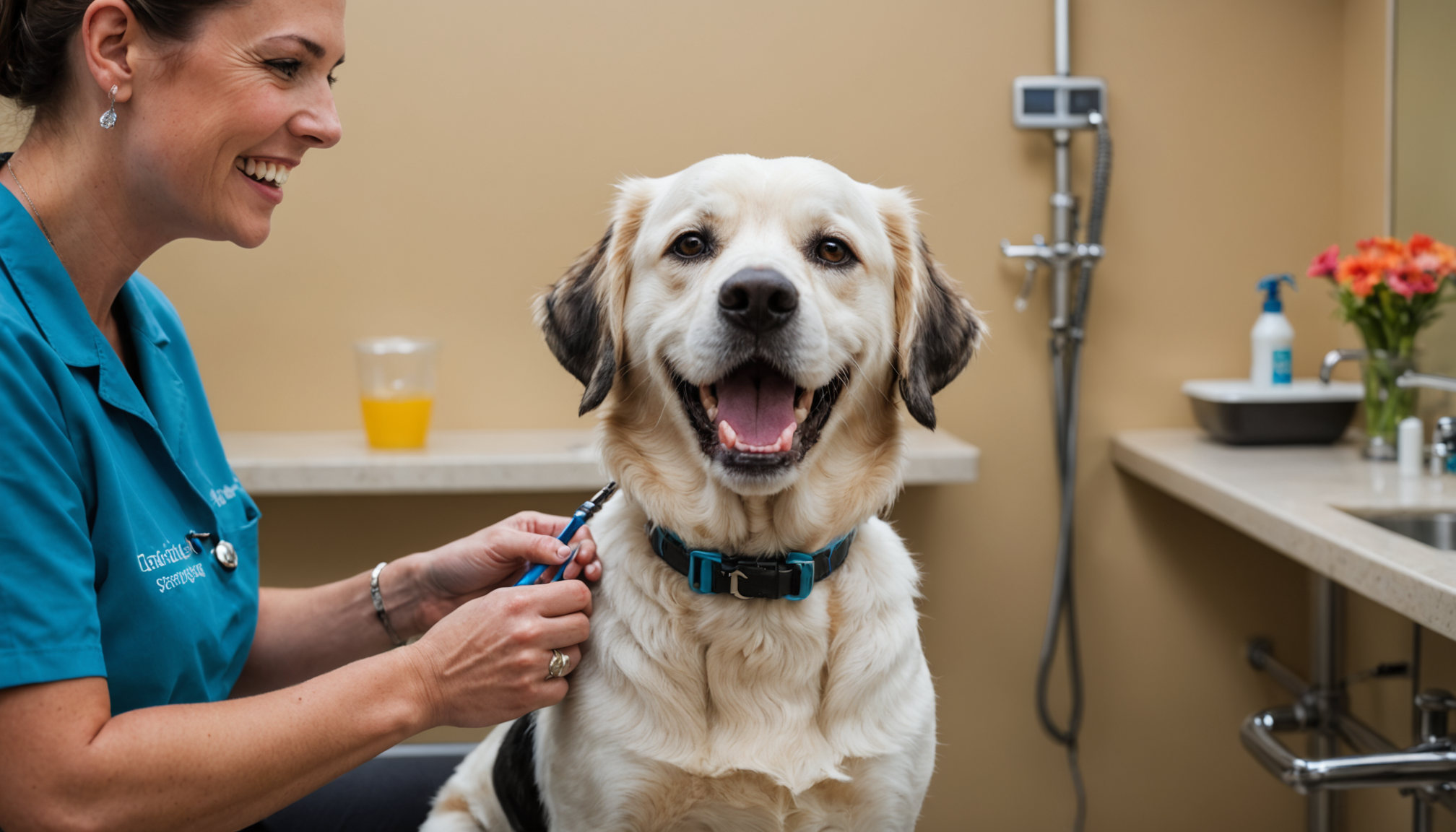
Does Your Dog Really Need a Teeth Cleaning? Signs, Benefits, and What to Expect
Let's be honest — when most pet parents think about grooming appointments, they picture a fluffy fresh-smelling dog with a cute bandana. Dental care? That's often an afterthought. But in 2026, veterinary and grooming professionals alike are putting dog oral health front and center, and for very good reason.
According to the American Veterinary Dental Society, over 80% of dogs show signs of dental disease by age three. That's not a distant problem — that's most of the dogs you see at the dog park every weekend. The good news? A little preventive care goes a long way, and it doesn't have to be complicated or stressful for you or your pup.
---
Why Dog Dental Health Matters More Than You Think
Most dog owners know that bad breath isn't exactly a bouquet of roses. But "dog breath" isn't just unpleasant — it's often a warning sign.
When plaque builds up on your dog's teeth, it hardens into tartar, which creates the perfect environment for bacteria to thrive along the gumline. Left unchecked, this leads to:
- Gingivitis (red, swollen, tender gums)
- Periodontal disease (infection and breakdown of the tissue and bone supporting the teeth)
- Tooth loss
- Pain and difficulty eating
- Bacteria entering the bloodstream and potentially affecting the heart, kidneys, and liver
That last point surprises a lot of people. Poor oral health isn't just a mouth problem — it can impact your dog's overall systemic health and shorten their lifespan. When you look at it that way, a regular teeth cleaning feels a lot less optional.
---
Signs Your Dog May Need a Dental Cleaning
Your dog can't tell you their mouth hurts, so it's up to you to watch for clues. Here are the most common red flags:
🦷 Bad Breath That Won't Quit
A little doggy smell after eating is normal. But persistently foul breath — often described as sour, rotten, or metallic — is one of the earliest signs of dental trouble.
🟡 Yellow or Brown Buildup on the Teeth
Take a peek at your dog's back molars and the outer surfaces of their teeth. Yellowish or brownish discoloration is tartar buildup, and once tartar has hardened, brushing alone won't remove it.
🔴 Red, Puffy, or Bleeding Gums
Healthy gums should be a consistent pink color and firm to the touch. If you notice redness along the gumline, swelling, or any bleeding, that's a sign of gingivitis that needs attention.
😮 Pawing at the Mouth or Face
Dogs who are experiencing mouth pain will often paw at their faces, rub their mouths along surfaces, or shake their heads more than usual. These are subtle signs that something is bothering them.
🍖 Changes in Eating Habits
If your dog suddenly seems reluctant to chew their kibble, drops food out of their mouth, or favors one side while eating, tooth pain could be the culprit.
💧 Drooling More Than Usual
Excessive drooling — especially if it's new behavior — can point to oral discomfort or infection.
---
What a Professional Teeth Cleaning at a Grooming Salon Involves
It's important to understand that there are two types of dog dental care:
1. Veterinary dental cleanings — performed under anesthesia, used when there's significant disease, infection, or extractions needed. These are a medical procedure.
2. Cosmetic/grooming teeth cleanings — performed by certified groomers, used as preventive maintenance to remove light surface plaque and tartar buildup.
At Happy Tails Pet Spa, our teeth cleaning service falls into that second category — and it's a powerful tool for preventing the kind of buildup that leads to bigger dental problems down the road.
Here's what you can expect during your dog's teeth cleaning with us:
- Gentle introduction — Our fear-free trained groomers take time to let your dog get comfortable before we begin. We never rush or restrain harshly.
- Soft toothbrush or finger brush — We use dog-safe enzymatic toothpaste (no fluoride — that's for humans!) to gently brush all surfaces of the teeth.
- Plaque and tartar removal — Light surface buildup can be carefully addressed to help slow the progression of dental disease.
- Breath freshening — We finish up with a pet-safe rinse that leaves your pup's mouth noticeably fresher.
If we notice anything concerning — like significant tartar, visible gum inflammation, or broken teeth — we'll always let you know and recommend a follow-up with your veterinarian. Your dog's health always comes first.
---
How Often Should Your Dog Get a Teeth Cleaning?
A good rule of thumb for most dogs:
- Monthly grooming-level cleanings as part of a regular grooming routine
- Annual (or twice-yearly) veterinary dental exams to assess deeper health
- Daily or every-other-day brushing at home to maintain results between appointments
Some breeds are more prone to dental issues than others. Small breeds like Chihuahuas, Dachshunds, Maltese, and Yorkshire Terriers tend to have crowded teeth that trap food and bacteria more easily. If you have a small dog, we'd especially encourage making dental care a consistent part of their grooming routine.
---
Quick Tips: Supporting Your Dog's Dental Health at Home
You don't need to do it all alone! Between professional cleanings, these habits make a real difference:
- Use a dog-specific toothbrush and enzymatic toothpaste — never human toothpaste
- Introduce brushing slowly — let your dog lick the toothpaste first, then gradually work up to brushing
- Offer dental chews approved by the VOHC (Veterinary Oral Health Council) — these carry a seal of approval for actually reducing plaque
- Provide appropriate chew toys — natural rubber and nylon options help mechanically clean the teeth
- Check your dog's mouth monthly — just a quick peek can help you catch problems early
- Stop by our boutique — we carry a selection of dental treats and chews to help keep those teeth fresh between visits!
---
The Bottom Line
Dental care isn't a luxury add-on — it's an essential part of keeping your dog healthy and comfortable for years to come. Whether your pup is two years old or twelve, it's never too early (or too late) to start prioritizing their oral health.
If you're not sure where to begin, we're always happy to take a look and make a recommendation at your next visit. Book a grooming appointment at Happy Tails Pet Spa and ask us about adding a teeth cleaning to your dog's service. Your pup's smile — and their whole body — will thank you. 🐾
<<>>
dog dental care, pet health, dog grooming, teeth cleaning, san diego pets