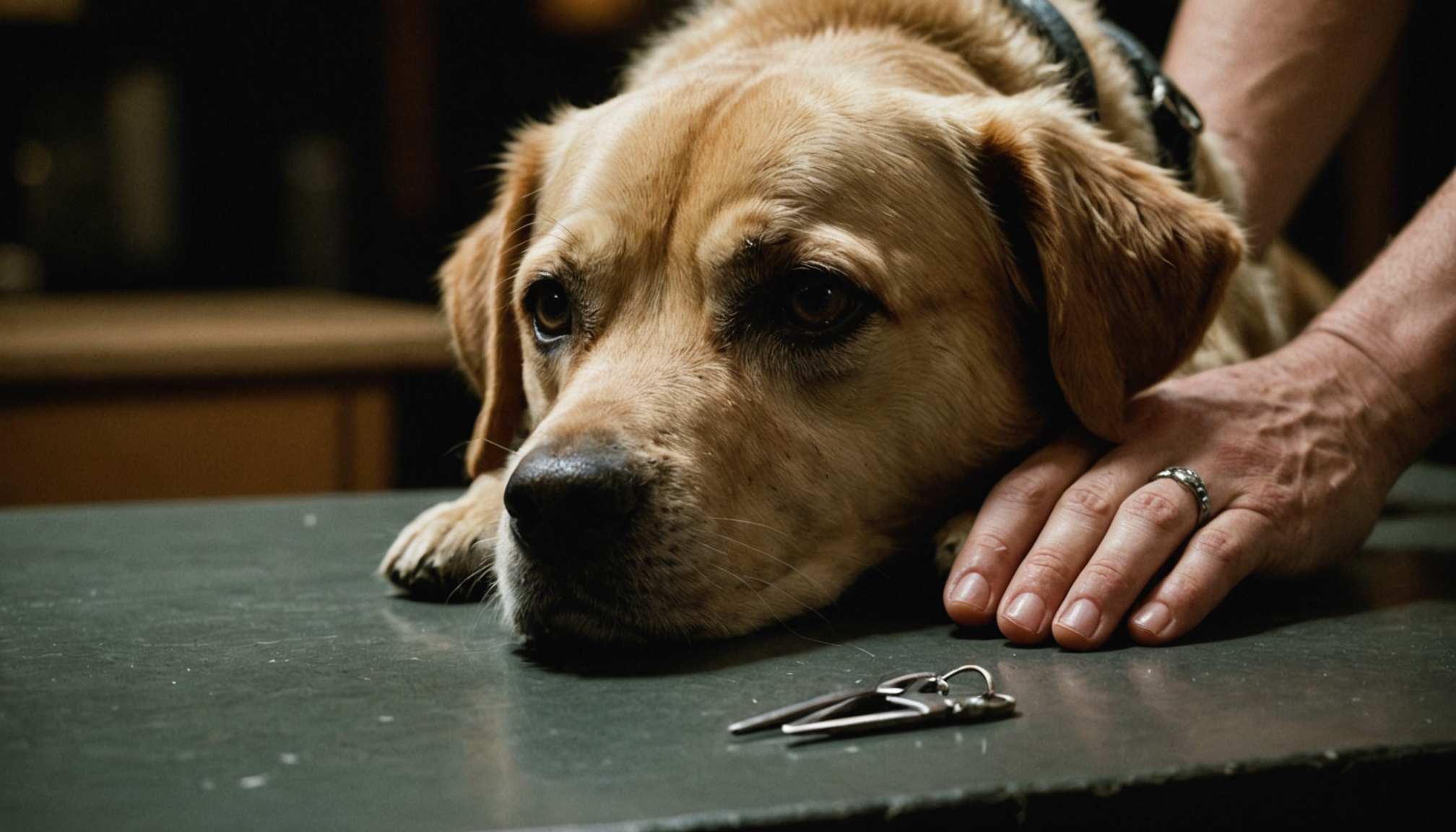
Dog Nail Trimming San Diego: Stop the Click Before It Causes Real Damage
That clicking sound on your tile floor means your dog's nails have already grown past the point where they're touching the ground — and the longer you wait, the harder the fix becomes.
TL;DR
- Nails long enough to click on hard floors are long enough to alter your dog's gait and grow the quick deeper — one appointment won't fully reverse that.
- San Diego dog owners have three real options: DIY at home, a vet visit, or a certified groomer with fear-free training. Each fits a different situation.
- Overgrown nails typically need 4–6 incremental trimming sessions (spaced 1–2 weeks apart) before they reach a healthy length — and a groomer who knows that won't rush the process.
---
Why Overgrown Nails Cause More Than Clicking
Most people assume long nails are a cosmetic problem — something to tidy up when they get around to it. The clicking is annoying, sure, but it feels minor. It isn't.
When a dog's nails make contact with the floor, they push back into the nail bed. That backwards pressure forces your dog to redistribute weight across their paws, rocking back onto their heels and away from their toes. Over time — especially in active San Diego dogs who run on sidewalks, beaches, or patios — that altered stance puts stress on the ankles, wrists, and hips. In dogs who've been walking on long nails for months, you can often see a splayed toe posture that signals the joints are already compensating.
There's also the quick to think about. The quick is the blood vessel and nerve that runs through each nail. In a healthy nail, it stays short and well back from the tip. But when nails are left to grow long, the quick grows with them — extending toward the tip week by week. A nail that's been neglected for two or three months in a medium-sized dog might have a quick that's grown ¼ to ½ inch longer than it should be. You can't just clip back to a healthy length in one session without hitting that vessel and causing pain and bleeding. That's not groomer error — it's biology catching up to a delayed trim schedule.
This is why the "I'll do it when it gets bad" approach sets you up for a multi-week correction process, not a quick fix. Starting early — or starting now, with a plan — is always the better path.
---
Dog Nail Trimming Options in San Diego Compared
If your dog's nails are clicking right now, you have three realistic choices. Here's what each one actually involves:
DIY Nail Trimming at Home
Best for: Calm dogs, nails that are only mildly overgrown, owners comfortable with the process.
Home trimming with a quality clipper or grinder works well when nails are only slightly long and your dog tolerates handling their paws. The main risk is cutting the quick — especially in dogs with dark nails where the vessel isn't visible. A single nick that causes bleeding can make a dog avoid paw handling for weeks afterward. If your dog already pulls away or gets anxious when you touch their feet, home trimming often makes that aversion worse, not better.
Realistic cost in 2026: A decent dog nail grinder runs $25–$60. Worth it if you'll use it consistently — not worth the stress if your dog shuts down the moment you pick it up.
Vet Clinic
Best for: Dogs who need sedation for nail trims, extremely reactive dogs, or situations where a nail is broken, infected, or causing injury.
A vet visit for a nail trim runs approximately $20–$60 in San Diego for a routine trim, and considerably more if sedation is needed. Vets are the right call when there's a medical complication — an ingrown nail, a bleeding quick that won't stop, or a dog whose anxiety is severe enough to need pharmaceutical support. For a routine maintenance trim on a healthy dog, it's usually more than you need.
Certified Groomer with Fear-Free Training
Best for: Most dogs — especially anxious ones, those with overgrown nails, and dogs who've had a bad nail trim experience before.
This is where a groomer who offers both nail trimming and nail grinding has a real advantage. Clippers cut with a sudden snap that some dogs find startling; a nail grinder files gradually, generates no sudden pressure or sound spike, and lets a skilled groomer remove small amounts with precision — critical for a dog with an overgrown quick. A groomer who's fear-free certified also reads your dog's stress signals throughout the session and adjusts accordingly.
If you're weighing your options and wondering what grooming credentials actually matter for your dog's safety, that's worth understanding before you book anywhere.
---
What Fear-Free Nail Trimming Actually Looks Like
"Fear-free" gets used loosely, so here's what it means in practice for dog nail trimming in San Diego:
A fear-free nail trim session doesn't start with restraint. It starts with letting your dog sniff the grinder or clippers before they're turned on. It involves pairing the sound of the grinder with something good — a lick mat, a treat, a calm voice — so the dog's brain associates the tool with something neutral or positive rather than something alarming.
The groomer watches for these stress signals and pauses or adjusts when they appear:
- Lip licking or yawning (not from tiredness — these are calming signals)
- Paw pulling or tucking — the dog is communicating discomfort, not just being difficult
- Whale eye (showing the whites of the eyes) — early anxiety signal most people miss
- Freezing — often mistaken for a "good" calm dog, but it's frequently a shutdown response
If you've ever picked up your dog from a grooming appointment and noticed they seemed subdued, clingy, or off — the anxiety signals dogs show after grooming are worth knowing, because they often start during the nail trim, not the bath.
At Happy Tails Pet Spa, our nail trimming and grinding appointments are paced around the dog, not the clock. Some dogs need five minutes; some need twenty. The goal is ending the session on a positive note — ideally before the dog reaches their stress threshold — so each visit gets a little easier than the last.
---
The Multi-Session Plan for Overgrown Dog Nails
This is the part most owners don't hear when they drop off for a nail trim: one session cannot fix severely overgrown nails without hurting your dog.
Here's the realistic timeline for a dog whose nails have been clicking for two or three months:
1. Session 1 — Remove as much nail as safely possible without reaching the quick. This might look like "barely anything was done" if the quick has grown very long.
2. Sessions 2–4 (spaced 1–2 weeks apart) — Each time a small amount is removed, the quick begins to recede slightly — typically 1–2 mm per session under consistent trimming. This is the phase that actually moves the quick back.
3. Sessions 5–6 — By now, most medium-to-large dogs are at or near a healthy nail length. Small breeds with finer nails may get there sooner.
The entire process from "clicking on tile" to "healthy length" runs approximately 6–10 weeks for a moderately overgrown nail. Rushing it — cutting deep into the quick to try to get there faster — causes pain, bleeding, and teaches your dog that nail trims hurt. That's the cycle that creates nail-phobic dogs who need sedation at the vet.
Booking a full grooming package that includes nail trimming across multiple sessions is often the most cost-effective way to run this correction plan — and it keeps a regular groomer seeing your dog consistently, which itself helps reduce anxiety over time.
---
Dog Nail Trimming Maintenance Schedule by Breed
Once your dog's nails are back to a healthy length, the goal is keeping them there. How often that requires a trim depends on your dog's breed, activity level, and the surfaces they walk on regularly. San Diego dogs who run on concrete or sidewalks daily will naturally wear their nails down faster than dogs who spend most of their time on grass, carpet, or sand.
General Guidelines by Breed Type
Small breeds (Chihuahuas, Shih Tzus, Miniature Dachshunds)
- Trim every 3–4 weeks. Small dogs often have fine, fast-growing nails and are lighter-bodied, so they don't wear them down through activity.
Medium breeds (Cocker Spaniels, Bulldogs, Border Collies)
- Trim every 4–6 weeks. Active medium dogs who run on pavement can often stretch to 6 weeks; less active or indoor dogs closer to 4.
Large and giant breeds (Labrador Retrievers, Golden Retrievers, German Shepherds, Great Danes)
- Trim every 4–6 weeks. Large dogs have thicker, slower-growing nails but more body weight bearing down — letting them go long causes joint strain faster.
Double-coated and heavy-coated breeds (Huskies, Malamutes, Bernese Mountain Dogs)
- Trim every 4–5 weeks. Thick fur around the paw can obscure how long nails have gotten — check visually by looking at the nail from the side, not just from above.
A simple rule that works for every breed: if you can hear the nail on your floor, you're already two weeks late. Aim to trim before you hear them.
---
Ready to get your dog's nails back to a healthy length — without the stress? Book a nail trimming or nail grinding appointment at Happy Tails Pet Spa by visiting /contact. Whether your dog needs a single maintenance trim or a multi-session correction plan, we'll tell you exactly what to expect and pace every appointment around your dog's comfort.
<<>>