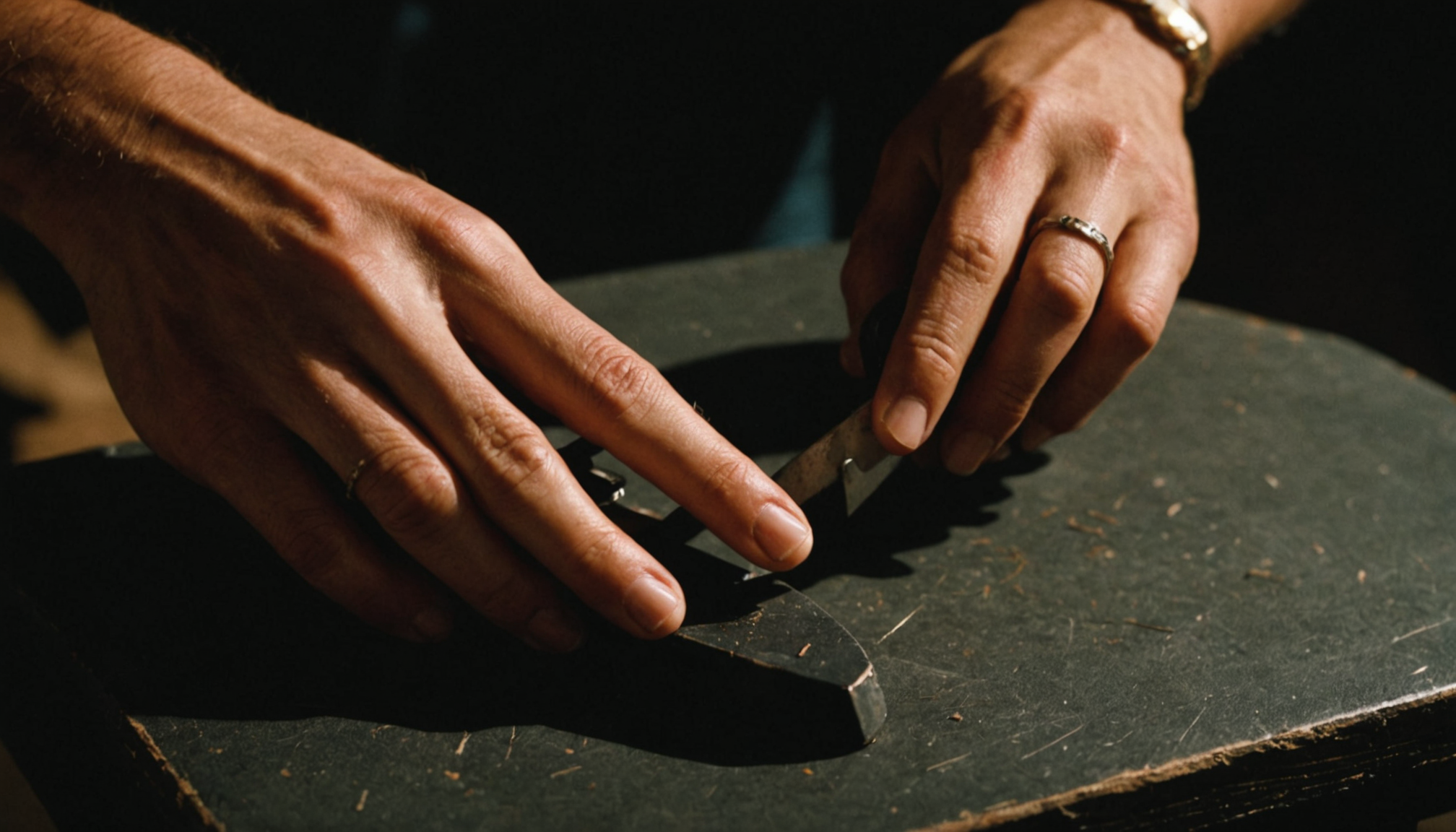
Dog Nail Trimming San Diego: Stop Tolerating Trauma at Every Appointment
One quick-cut to the nail quick — the blood-rich core inside every dog's nail — can create a fear response so strong it lasts years. If your dog pulls away, cries, or has bled during a past trim, that reaction isn't drama: it's a learned protective reflex, and most San Diego groomers aren't equipped to undo it.
TL;DR
- A single painful nail trim can permanently condition a dog to fear the process; the groomer's technique matters more than their haircut skills.
- Grinding and clipping are not interchangeable — the right tool depends on your dog's nail type, anxiety level, and history with past trims.
- You can walk into any San Diego salon and run a quick five-point check to know within minutes whether their nail care is safe or risky.
---
Why Bad Dog Nail Trimming Causes Lasting Behavioral Damage
Most owners notice the bleed and move on. What they don't see is what happens inside the dog's nervous system. A quick-cut delivers a sharp, unexpected pain signal during a moment of restraint — and dogs learn fast. In behavioral science terms, one or two aversive repetitions are enough to establish a conditioned fear response to an entire category of stimuli: nail tools, the grooming table, the sound of clippers, even a particular person's hands.
By 2026, Fear Free certification programs have documented that nail trims consistently rank among the top three triggers for grooming-related stress injuries — ahead of bathing and behind only ear cleaning. That's not a footnote. It means the way a groomer handles your dog's feet in a 10-minute nail appointment can shape how your dog behaves at every future vet visit, every future groomer, and every time someone reaches for their paws at home.
The physical damage compounds it. A quick-cut that isn't managed correctly (direct pressure for a minimum of 2–3 minutes, styptic powder applied directly to the wound) can leave a raw, sensitive nail tip that stays uncomfortable for 24–48 hours after the appointment. Your dog goes home, licks the paw, and reinforces the idea that something bad happened there. Repeat that two or three times, and you now have a dog who needs sedation to get their nails done — when careful technique from the start could have prevented the spiral entirely.
The grooming quote you're comparing across salons almost never tells you how nail trims are handled. If you're decoding a grooming quote in San Diego and nail care is listed as a flat add-on with no detail, that's worth asking about directly.
---
Grinding vs. Clipping: Which Method Suits Your Dog
There is no universally better tool. The right choice depends on your dog's nail structure, anxiety baseline, and history with each method.
Nail Clippers: When They Work Well
Clippers (both guillotine and scissor-style) work well when:
- Your dog's nails are light-colored and the quick is visible
- The nails are not overgrown (quick recedes over time with regular trims every 3–4 weeks)
- The dog has no existing clipper phobia
The risk with clipping is that it's binary — the blade either avoids the quick or hits it. On dark nails, where the quick is invisible, a skilled groomer clips in 1–2 mm increments and watches for a grayish-pink center dot to appear in the cross-section. That dot means stop. Most quick-cuts happen because a groomer clips in large increments to save time.
Nail Grinding: When It's the Smarter Choice
A rotary grinding tool removes nail material gradually — typically in 2–3 second contact bursts — giving the groomer far more control over depth. For dogs with:
- Dark or thick nails
- A history of quick-cuts and clipper anxiety
- Nails that have been allowed to grow long (elongated quick)
...grinding is almost always the lower-risk method. The heat and vibration are new sensations, so some dogs need a conditioning period (several short sessions over 2–4 weeks before a full grind), but once accepted, most dogs tolerate grinding better long-term.
The tradeoff: grinding takes longer. A full nail grind on a large dog can run 15–20 minutes properly done. Any salon charging a $5 nail add-on and promising a quick in-and-out is almost certainly clipping fast — and cutting corners.
---
What Fear-Free Dog Nail Trimming Actually Looks Like in Practice
Fear Free certification isn't a logo — it's a specific set of handling protocols, and nail trims are where those protocols are tested hardest. Here's what a properly handled nail trim looks like step by step:
1. Pre-appointment consent check. The groomer asks about your dog's nail history before touching the paws. This takes 60 seconds and changes how they approach the whole session.
2. Desensitization pause. Before any tool touches the nail, the groomer touches and squeezes each paw gently, watching for the dog to relax (weight shift, loose body, soft eyes). On a nervous dog, this can take 2–5 minutes and is not skipped.
3. High-value food pairing. A small treat (typically peanut butter on a lick mat, or individual soft treats) is offered at or near the moment of each trim. This creates a positive association with the sensation rather than suppressing a fear reaction through restraint.
4. One nail at a time, with release. The dog is allowed brief micro-breaks between nails — not held in continuous restraint for the full set. This is especially critical for dogs with prior trauma.
5. Immediate feedback read. The groomer pauses or stops entirely if the dog shows hard stress signals (whale eye, stiff body, low growl) rather than pushing through.
If you ask a San Diego groomer to describe their nail process and they can't give you a version of the above five points, they're working on muscle memory and speed — not your dog's experience.
If your dog is already showing anxiety before the appointment starts, check out our deeper look at grooming techniques for San Diego dogs with anxiety — nail care anxiety and general grooming anxiety often need to be addressed together.
---
Dog Nail Trimming Red Flags at San Diego Salons
Walk into any San Diego grooming salon and these signs should send you straight back out the door:
- "We'll just get it done quickly." Speed is the enemy of careful nail work. This phrase signals restraint over cooperation.
- No question about your dog's history. A groomer who doesn't ask whether your dog has been quick-cut before is treating every dog identically — that's a process, not care.
- Nail trims priced under $8 as a standalone. In San Diego's 2026 grooming market, a careful, properly timed nail grind or clip on a medium-to-large dog cannot be done well in under 10 minutes. Sub-$8 nails are a volume service.
- The groomer uses a squeeze-and-hold approach for all movement. Some restraint is normal; full-body holds against a dog's will to push through a nail set is not.
- No styptic powder visible. This is the basic first-response product for a quick-cut. If you can see the nail station and it's not there, ask where it is. If the groomer seems unfamiliar with it, leave.
- Rushing through the appointment. If you dropped your dog off at 10am and they're calling you at 10:20am for a full groom that includes nails — the nails were not done carefully.
If you've already seen enough to know a change is needed, switching San Diego groomers the right way walks you through exactly how to do it without disrupting your dog's routine more than necessary.
---
How to Evaluate Any San Diego Dog Nail Trimming Appointment
Before you book — and before you hand your dog over — run through these five questions. You can ask them by phone, by email, or in person at a walk-in.
The Five Questions
1. "What tool do you use for nail trims — grinder, clipper, or both?"
A groomer who only ever uses one or the other regardless of the dog is not customizing their approach. Look for "it depends on the dog."
2. "How do you handle a dog that's had a quick-cut before?"
Listen for desensitization language: slower pace, food pairing, paw handling before any tool. Vague answers ("we're gentle with them") are not an answer.
3. "Do you grind nails on dark-coated breeds with heavy nails?"
This reveals whether they know their tools. Dark nails on breeds like Labs, Chows, or mixed black-coated dogs are genuinely harder to clip safely; a knowledgeable groomer will acknowledge that.
4. "What do you do if my dog won't let you finish all four paws?"
The right answer involves stopping and rescheduling or doing partial sets. "We get it done" is the wrong answer.
5. "Is nail grinding included in your full grooming packages, or is it a separate service?"
This also tells you about their grooming package structure in San Diego — and whether nail care is treated as a core service or an upsell.
After the Appointment
Watch your dog's feet for 24 hours. Look for:
- Licking or biting at any specific nail (possible quick sensitivity)
- Reluctance to walk on hard floors (soreness from over-grinding or a cut)
- Nails that look uneven in length (a sign of rushed work or skipped nails)
A well-done nail trim should produce nails that are smooth at the tip, even in length, and short enough that you don't hear clicking on a hard floor — not sharp, not raw, not different lengths.
---
Your dog doesn't have to go through a battle every three to four weeks. At Happy Tails Pet Spa, our certified, Fear Free-trained groomers handle nail trims as a full skill — not a 90-second add-on — using both grinding and clipping based on what your specific dog needs that day. Book your dog's nail trim appointment at /contact and let's make this the appointment where things finally go right.