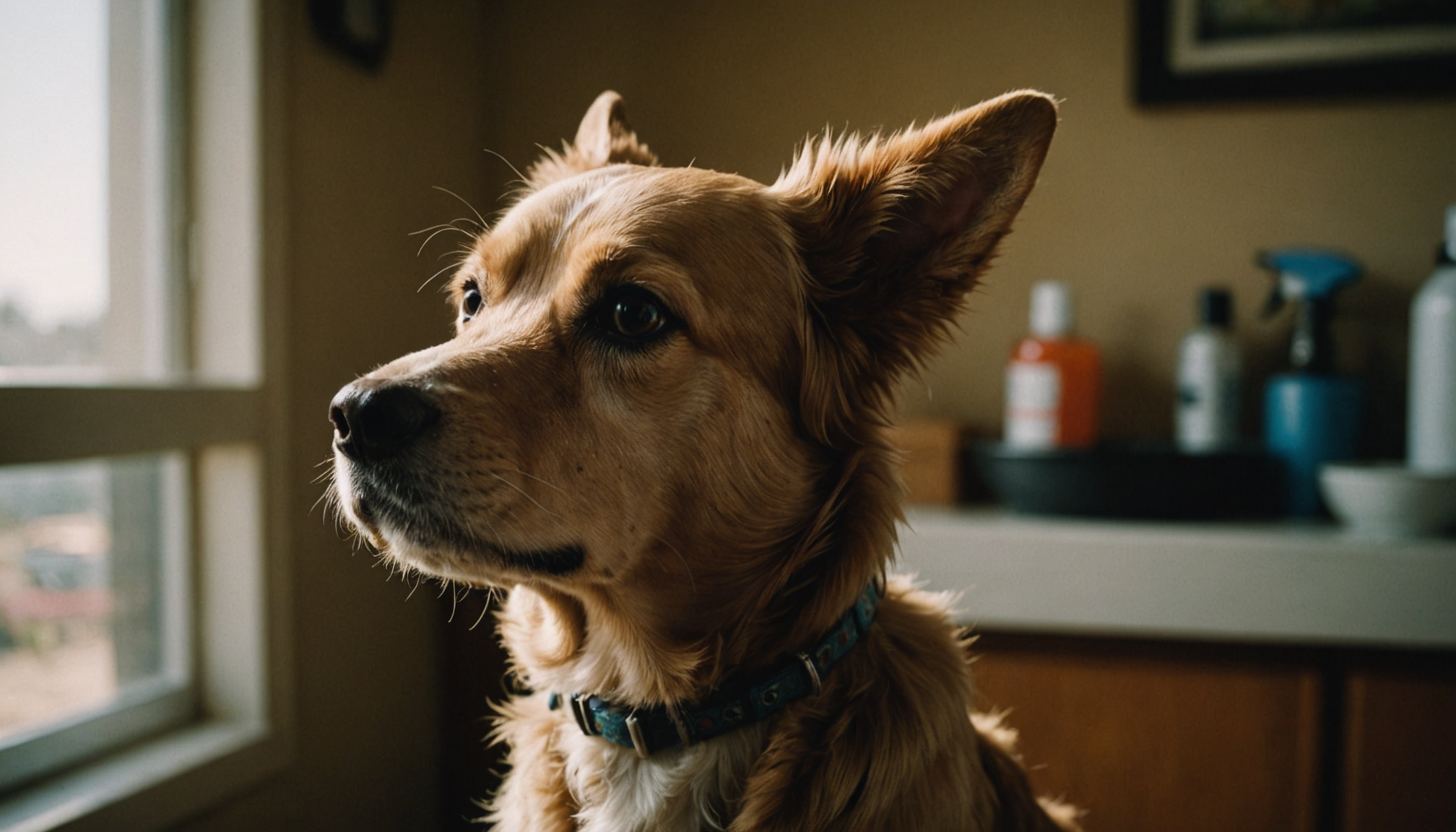
Fear-Free Dog Grooming San Diego: What It Really Means for Your Anxious Dog
"Gentle grooming" is on almost every San Diego salon's website — and it means almost nothing unless the groomer can tell you exactly what happens when your dog says stop.
TL;DR
- Fear-free certification is a formal credential that trains groomers to read stress signals and adjust the session in real time — not just handle dogs more softly.
- Specific handling red flags (like neck loops left unattended, cage dryers without monitoring, or no pre-visit intake questions) can tell you whether a "gentle" claim holds up before you ever book.
- Asking 5 targeted questions before your first appointment will give you a clearer picture of any groomer's actual protocols than any marketing badge ever will.
---
What Fear-Free Dog Grooming Certification Actually Means
Most groomers who advertise low-stress handling are describing a vibe, not a training program. Fear Free — the organization founded by veterinarian Dr. Marty Becker — is a structured continuing-education curriculum that as of 2026 has certified more than 250,000 pet professionals across veterinary, training, and grooming disciplines. A certified fear-free groomer has passed coursework on animal behavior, the physiology of stress responses, and practical techniques for reducing fear, anxiety, and stress (commonly shortened to FAS) at every stage of a grooming session.
What that looks like in practice:
- Pre-visit planning: A certified groomer asks about your dog's history before the appointment, not while your dog is already on the table.
- FAS scale awareness: The groomer actively monitors body language — whale eye, lip licking, tail tucking, yawning — and knows when to pause, redirect, or end early.
- Cooperative care techniques: Your dog is offered choices where possible. A dog that repeatedly moves away from the nail grinder gets a break, not a firmer grip.
- Environment adjustments: Music, lighting, pheromone diffusers, and non-slip surfaces are all part of the toolkit, not add-ons.
The certification itself requires ongoing education. A groomer who completed fear-free training in 2020 and hasn't renewed is working off a four-year-old knowledge base — it's completely reasonable to ask when a groomer's credentials were last updated.
The core distinction: a fear-free groomer adjusts the session to fit the dog's emotional state that day. A "gentle" groomer might simply move more slowly while still completing the full appointment on the salon's schedule, whether the dog is coping or not.
---
Red Flags That a 'Gentle' Groomer Still Uses Force — Fear-Free Dog Grooming San Diego Deserves Better
Knowing what to look for (and listen for) during a salon tour or phone call can save your dog from another bad experience. These are the practices that most commonly hide behind soft language:
The restraint-first setup
A grooming loop — the nylon noose attached to the grooming arm — is a standard piece of equipment, and it's not inherently harmful. The red flag is when it's the first tool used, tightened without allowing the dog to settle, and left unmonitored. A fear-free trained groomer uses loops as a light safety backup, not as the mechanism that keeps a panicked dog on the table.
Cage dryers without supervision
Forced-air cage dryers aren't banned, but a dog in a cage dryer should be checked on at least every 5–10 minutes. Overheating and oxygen stress can escalate quickly, especially in brachycephalic breeds like Bulldogs and Pugs. If a salon can't tell you their monitoring interval, that's a gap worth noting.
No intake questions about your dog's history
A groomer who asks zero questions about previous bad experiences, medical conditions, or triggers is treating every dog as a blank template. One survey of dog owners published in the Journal of Veterinary Behavior found that a meaningful percentage of dogs showing aggression at the groomer had a prior veterinary or grooming trauma that was never communicated — because no one asked.
"We'll push through it — they always calm down"
This phrase, or any version of it, is a direct contradiction of fear-free principles. Dogs don't "calm down" under forced restraint; they shut down. That behavioral state, called learned helplessness, often results in a dog that appears cooperative but is actually in a suppressed fear response — and may be more reactive at the next appointment, not less.
Same-day, no-break marathon appointments
Full grooming packages that run 4–6 hours without a documented rest period are a stress accumulation problem. Fear-free methodology recommends breaking long sessions into stages when a dog's FAS level rises, which sometimes means splitting a full groom across two shorter visits.
---
How Fear-Free Grooming Sessions Actually Look in San Diego
Walk into a fear-free certified salon in San Diego and the first thing you'll notice is that the lobby smells different — specifically, it doesn't smell like wet dog and anxiety. Adaptil (a synthetic dog-appeasing pheromone) diffusers are common in fear-free spaces because they have clinical evidence behind them, not just good intentions.
At a typical fear-free session, here's what the first 10 minutes look like:
1. No rushing the greeting. Your dog sets the pace of the initial contact with the groomer — nose sniff, treat offered, gentle scratch. No immediately clipping on a lead.
2. A quick FAS check-in. The groomer notes your dog's energy, posture, and eyes before any tools come out.
3. An order of operations built around your dog's tolerances. If your Goldendoodle tolerates brushing but freezes at the sound of clippers, the session might lead with a thorough bath and brush-out treatment before any tools with motors are introduced.
4. Real-time adjustment. If your dog's FAS level climbs — sustained panting, attempts to leave the table, whale eye — the groomer pauses. Treats come out. The pace drops.
A full grooming package at a fear-free salon often runs 15–30 minutes longer than a standard appointment. That's not inefficiency — that's the buffer built in so the session doesn't become a trauma event.
---
Questions to Ask Before Booking Your Anxious Dog for Fear-Free Dog Grooming San Diego
Don't rely on a salon's homepage to tell you whether their approach will work for your dog. These five questions will get you real information fast:
1. "Are your groomers currently certified through Fear Free Pets?" — Ask for the certification tier (groomer vs. professional) and when it was last renewed. A current credential is valid for 2026.
2. "What do you do if my dog's stress level rises mid-session?" — A clear answer here sounds like: "We pause, offer a break, reassess, and may schedule a follow-up for the remaining work." A vague answer sounds like: "We try to keep them calm."
3. "Do you use cage dryers, and how often do you check on dogs during drying?" — You want a specific interval (every 5–10 minutes), not "we keep an eye on them."
4. "Can I see the grooming area before I book?" — A confident yes is a good sign. A hesitation is worth noting.
5. "Can we schedule a shorter first visit — just a bath and nail trimming — before committing to a full groom?" — This question tests whether the salon respects desensitization. An anxious dog rarely benefits from a 5-hour first appointment, no matter how gentle the groomer.
It's also worth being honest about your dog's history. Understanding how often your breed needs professional grooming helps you set a realistic schedule — but for an anxious dog, the quality of each appointment matters far more than the frequency.
---
Why a Slower Appointment Saves You Money Long-Term
The math here is straightforward, even if it's rarely talked about. A dog who has a traumatic grooming experience becomes harder to groom at every subsequent visit. By 2026, veterinary behaviorists have documented that repeated grooming trauma can escalate into grooming-related aggression that requires professional behavior modification — a process that typically runs $150–$400 per session over 6–12 weeks, not counting any pharmaceutical support from your vet.
Compare that to a fear-free full grooming package that runs $20–$40 more than a conventional appointment. The math is not close.
There's also the physical cost of avoidance. Owners who stop booking appointments because their dog hates the groomer end up dealing with matted coats, overgrown nails that alter gait mechanics, and dental buildup that becomes a genuine health issue if left untreated. A slower, gentler appointment protocol is, in every practical sense, the more affordable long-term choice.
Fear-free grooming isn't a premium upsell. It's what grooming should look like when the dog's experience is actually the priority.
---
If your dog has had a rough time at previous salons and you're looking for a groomer who takes stress signals seriously, book a visit at Happy Tails Pet Spa. Head to /contact and schedule your dog's first appointment — start with a bath and brush-out or a nail trim so your pup can meet our team on their own terms before committing to a full session. Your dog's comfort isn't an afterthought here; it's the whole point.